A complete day of first aid training can feel intimidating when you initially look at the schedule. After that you see colleagues leaving of fast first aid courses claiming, "It was a great deal, but I really feel all set currently," and you start to ask yourself whether a single day actually can prepare you to act in a crisis.
I have educated and made first aid and CPR training for years, consisting of express first aid courses for offices that can not spare staff for longer programs. Succeeded, a fast first aid course is not a shortcut in the hazardous feeling. It is a focused, very carefully structured finding out experience that gives you a solid first aid certificate and practical self-confidence in one long, focused day.
Done inadequately, it is a blur of PowerPoint slides that leaves you with a card in your wallet and little else.
The difference lies in assumptions, framework, and how honestly you treat the trade-off in between speed and depth. Allow us walk through what a genuinely effective fast first aid course looks like, what it can cover, and exactly how to evaluate whether it matches your real‑world needs.
What "Fast-Track" Truly Means
When training companies promote a fast first aid course, they are usually talking about one of 3 layouts:
A complete one-day combined course where theory is completed online in advance and the in person day focuses on technique and assessment. A pressed classroom day that fulfills the minimal time and material needed by a regulatory authority or approving body. An express first aid refresher course where the student already holds a present or recently ran out certificate.The first format, the combined fast first aid training version, is typically one of the most effective. Learners full online components at their own speed, usually over a number of days, then participate in a single in‑person day to place every little thing right into method. That face‑to‑face day can be genuinely hands‑on rather than a rush with slides, due to the fact that the ideas are currently familiar.
The second layout can work, yet it is much more requiring, especially for people brand-new to first aid and CPR. If every min of the day is made use of well, you can still end up proficient and positive. If time is lost to admin, delays or unfocused mentor, the course ends up being demanding for everyone.
The third, the express first aid correspondence course, is suitable for individuals whose abilities are mostly there however a little bit rusty. Fast CPR correspondence course in particular work for health care employees, protection personnel, and child care experts that make use of CPR training frequently enough to keep in mind the basics, however want updated standards and fresh practice.
Short does not indicate superficial necessarily. Short suggests the course designer needs to be callous concerning what issues most when a person is not breathing, is hemorrhaging heavily, or is having a seizure, and what can sensibly be left to longer or specialist training.

What You Can Realistically Find Out In One Day
When I intend a single‑day first aid and CPR course, I begin with a straightforward inquiry: "What do I desire he or she to be able to do in the very first 10 mins of a clinical emergency?"
The response guides the core topics. A solid one‑day fast first aid and CPR course usually covers:
Cardiopulmonary resuscitation (CPR). That indicates acknowledging heart attack, calling for help swiftly, doing high‑quality breast compressions, and utilizing an automated external defibrillator (AED). The very best fast CPR courses provide you numerous rounds of hands‑on method, not simply a demonstration.
Airway and breathing issues. You should leave able to handle choking in grownups, kids, and babies, identify breathing problems such as bronchial asthma assaults, and recognize exactly how to put a person in the recuperation position.
Serious bleeding and wounds. You require to recognize how to apply straight pressure, usage bandages and improvisated dressings, handle ingrained items, and understand when a tourniquet or hemostatic clothing could be needed in your setting.
Shock and blood circulation issues. Not the textbook physiology, yet the sensible indicators: pale, chilly, perspiring skin, fast pulse, transformed mindset. And just how to respond with peace of mind, placing, and quick activation of emergency services.
Common clinical emergencies. A lot of fast first aid courses cover at the very least the fundamentals of seizures, strokes, cardiac arrest, allergies, and diabetic person emergency situations. You discover what indications to watch for and what to do while waiting on paramedics.
Minor injuries. Burns, sprains, nosebleeds, and small cuts appear basic, yet they are where individuals frequently improvisate badly. A good instructor will certainly offer you practical, low‑tech approaches you can utilize in your home or at work.
Those that deal with children might instead select an express childcare first aid course, or an express childcare first aid training day that includes pediatric‑specific content: baby CPR, febrile convulsions, choking in kids, and typical play area injuries. I have seen childcare team noticeably loosen up when they have practiced these skills on child‑sized manikins, due to the fact that the worry of "What happens if something takes place on my watch?" has actually been resolved with real practice, not just theory.
The first aid and CPR content may sound like a whole lot, but the secret is repeating and focused situations, not unlimited topics. If, by the end of the day, you can inspect responsiveness, call for assistance plainly, begin CPR, control significant blood loss, and keep a casualty safe and calm till aid arrives, the course has actually done its core job.
Where Fast Courses Have Limits
Every express first aid course has to leave something out. That is not a problem, it is a straightforward constraint.
What usually gets cut in a fast first aid or express CPR course?
Extended concept. You will certainly obtain the necessary "why," but not a full lecture in composition. Many grownups do not need comprehensive heart physiology to press set in the center of the chest.
Niche scenarios. Complex ecological emergency situations, chemical direct exposures, or very particular work environment dangers often require specialist first aid training or different modules.
Long method on every variant. You may exercise CPR on a grown-up manikin and just see a demo of baby CPR, or the other way around, relying on the course. That might be great for a white-collar worker, but not for somebody functioning daily with babies.
Assessment depth. Lots of fast certification programs make use of continuous observation rather than extensive formal tests. This can be a lot more gentle and still legitimate, however it implies you must stay engaged from the initial practice drill to the last.
Be clear regarding your needs. If you deal with a building site, overseas facility, or remote home, or you manage youngsters with clinical conditions, a conventional fast first aid course near you might not cover all the situations you face. You can still do the one‑day course for a solid structure and afterwards add targeted modules.
I have had students show up expecting a fast first aid course to make them "nearly like a paramedic." That is not what a one‑day course can Find more info or ought to do. It can make you an experienced, calm bystander that acquires critical time for a casualty till experts arrive.
Who A Fast-Track First Aid Course Fits Best
People select first aid and CPR training for really different factors. For some, it is a work environment requirement. For others, the inspiration is really individual after observing an emergency.
A fast first aid course is generally a great fit if you identify on your own in at the very least among these summaries:
You are time‑poor but motivated, and can devote to a single, uninterrupted day rather than a number of evenings. You require a first aid certificate quickly for a task application, volunteer position, or compliance deadline. You already have some direct exposure to emergency situations, such as medical care aides, trainers, or lifeguards, and need organized CPR training and a recognized credential. You favor extensive learning to slow down drip‑feed classes, and you fit remaining focused for a complete day. You are restoring existing skills via a fast CPR refresher course or express first aid refresher and mainly require upgraded standards and practice.Where a one‑day style may not be suitable is for learners with considerable language obstacles, literacy obstacles, or strong anxiousness around clinical subjects. I have seen very qualified individuals freeze up in a single‑day course just since the pace felt relentless.
In those cases, a multi‑day or night style with even more frequent breaks, smaller sized groups, or extra language assistance can make the distinction in between scuffing with and leaving genuinely capable.
Anatomy Of A Well-Designed Fast First Aid Day
Not all fast first aid courses are equal. The best ones really feel organized but not hurried, practical as opposed to academic, and surprisingly energizing despite the heavy content.
A common express first aid training day that strikes the mark usually looks something like this.
The morning starts with scene safety and the total first aid method: check for danger, introduce on your own, get permission where appropriate, and call for assistance early. You may walk through a few quick circumstances en masse, learning how to entrust tasks like calling emergency solutions or fetching an AED.
From there, you relocate right into CPR training. Great first aid and CPR training classes keep concept tight and afterwards rapidly place you on the floor with manikins. You exercise chest compressions, rescue breaths if included in your area's standards, and AED usage in short, repetitive blocks. Comments devices, if readily available, provide you real‑time information on deepness and rate of compressions. By late early morning you must have finished a number of rounds with mentoring and corrections.
Late morning typically brings choking management, the recuperation position, and basic air passage management. Right here the instructor's experience matters. Individuals learn faster when they see exactly how these skills play out in messy real circumstances, not simply perfect book cases.
The afternoon normally moves to blood loss, wounds, shock, burns, fractures, and usual clinical emergency situations. A knowledgeable fitness instructor uses situations: probably a simulated loss from a ladder with believed back injury, or a co‑worker located perplexed and perspiring at their workdesk. You work through what you would certainly say and do, not just which box to tick on a form.
Toward the end of the day, there should be time for loan consolidation: brief practical analyses, concerns, and explanation of what you are and are not anticipated to do as a first aider. A great teacher leaves you with sensible borders. You do not diagnose, prescribe medicines, or replace medical care. You provide prompt, practical aid, and you understand when to step back as experts take over.
For an express childcare first aid course, the very same arc uses however with child‑specific variations. Infant choking, kid CPR, allergic reactions to foods, and managing an unconscious child are exercised a lot more extensively. In my experience, childcare workers worth role‑playing conversations with stressed moms and dads nearly as long as the physical methods, and an excellent course makes space for that.
How To Choose The Right Fast First Aid Course
Typing "fast first aid course near me" right into an internet search engine will offer you a lengthy list of companies, some outstanding, some sub-par. A glossy website does not equivalent solid first aid training.
Look for a few useful markers of quality.
First, check accreditation. Is the service provider recognized by the appropriate nationwide body, health authority, or sector regulator? For workplaces, your safety and security officer or HR team will typically understand which first aid courses and first aid and CPR courses satisfy your legal requirements.
Second, analyze the course synopsis. It must plainly detail first aid and CPR, AED usage, hemorrhaging control, and significant clinical emergencies. If the synopsis is obscure, with more advertising and marketing expressions than specifics, that is a warning sign.
Third, inquire about instructor experience. The best fitness instructors blend medical or area history with mentor skill. A paramedic who can not connect clearly will not serve you well, but nor will certainly an instructor who has actually never ever been in a real emergency.
Fourth, understand the understanding layout. A combined express first aid course with pre‑course online components enables much better use your face‑to‑face time. Pure classroom fast first aid training can still be great, but a lot more relies on the instructor's discipline.
Finally, make clear the certification. Make sure the first aid certificate stands for the period you need, typically two or 3 years, and that it is acknowledged for your particular field. Some duties, specifically in childcare and health care, need certain kinds of first aid and CPR course, such as express childcare first aid courses with pediatric focus or innovative resuscitation for clinicians.
If a provider can not answer those inquiries clearly, keep looking.
How To Prepare So Eventually Truly Counts
A one‑day express first aid or express CPR course rewards prep work. Also a little operate in breakthrough minimizes stress throughout the course and allows you focus on hands‑on method rather than note‑taking.
Here is a basic prep work list that I have seen make an actual difference for students:
Read any type of pre‑course products and total on-line modules prior to the training day, not during breaks. Sleep properly the evening before and arrive well‑hydrated and fed; physical method, specifically CPR, is strenuous. Wear comfortable apparel that lets you stoop on the floor, step freely, and apply bandages without fuss. Think about your actual environment, such as workplace, gym, or child care center, and bring questions regarding circumstances you may actually face. Clear your timetable as high as possible so you are not sidetracked by job calls or messages throughout the day.I once had a supervisor go to with their laptop computer open close to the manikin, attempting to respond to e-mails between compressions. They passed the course, however they later on admitted they preserved far much less than colleagues that had actually switched their phones off and committed completely to the training. A fast course demands presence.
What "Fast Certification" Actually Gets You
People usually speak about fast certification as if the certificate itself is the goal. The card or electronic document is essential in work environments, specifically for conformity, but the real value is different.
First, it gives you a common language with emergency services. When you call a rescue and can claim plainly, "The client is unconscious, not taking a breath normally, we have actually started CPR, AED affixed," you accelerate the decision‑making on their side.
Second, you gain the confidence to act regardless of adrenaline. The first actual emergency after a first aid course never looks neat. It could be a member of the family dropped on the sofa, a stranger in a parking lot, or a youngster on a sports field. Training does not remove the shock, yet it gives your brain a manuscript to comply with when whatever really feels chaotic.
Third, there is a causal sequence. In offices where numerous people full fast first aid courses or express CPR training together, safety and security society boosts. Individuals discover dangers earlier, speak up about dangers, and interfere sooner when a person appears unwell.
I remember one office where an employee had a seizure. Two team who had lately finished a fast first aid and CPR course took care of the scene efficiently until paramedics got here. Weeks later on, others in the workplace asked to publication right into the following offered class. They had actually seen the distinction training made.
Keeping Skills To life After A One-Day Course
The most significant weakness of any fast first aid course is not the course itself, however what takes place afterward. Without method, abilities degeneration. That is not an opinion, it is well documented. Within months, CPR top quality begins to go down, and within a year many people lose confidence in their capacity to act.
You can counter this without staying in a classroom.
Revisit your course publication or digital resources every few months, also for 20 minutes. See short CPR training videos from reliable organizations and shadow the motions in the air.
Make a habit of psychological practice session. When you see a jampacked occasion, picture how you would call for assistance or locate an AED. When you go through your workplace, notification where first aid kits and defibrillators are located.

If your carrier supplies brief fast CPR courses or express CPR courses as standalone refreshers, consider signing up with one mid‑way through your certificate period. These fast CPR or fast cpr refresher courses typically concentrate greatly on method and upgraded guidelines.
For those in functions with greater exposure to emergencies, such as safety and security, physical fitness instructors, or child care experts, organizing express childcare first aid training or first aid and CPR training classes each year keeps skills sharp. Even if your certificate stands for longer, yearly refreshers are an audio first aid and cpr Darwin investment.
The factor is simple: the one‑day investment on your schedule is the start, not the entire story.
Realistic Assumptions On The Day
Anticipating exactly how a fast first aid course will certainly really feel assists you speed yourself.
You must expect to be physically tired by the end. Performing several rounds of CPR on a manikin takes effort. Kneeling, bending, and moving people into the recovery setting makes use of muscle mass many of us forget in workdesk jobs. That is regular and component of the learning.
You might likewise find some content psychologically heavy. When we talk about cardiac arrest, serious injuries, or kid emergency situations, people sometimes recall personal experiences. An excellent trainer will offer area for that and check in with the team. If you require a short break or really feel overwhelmed, state so. That is not a weak point, it is self‑care.
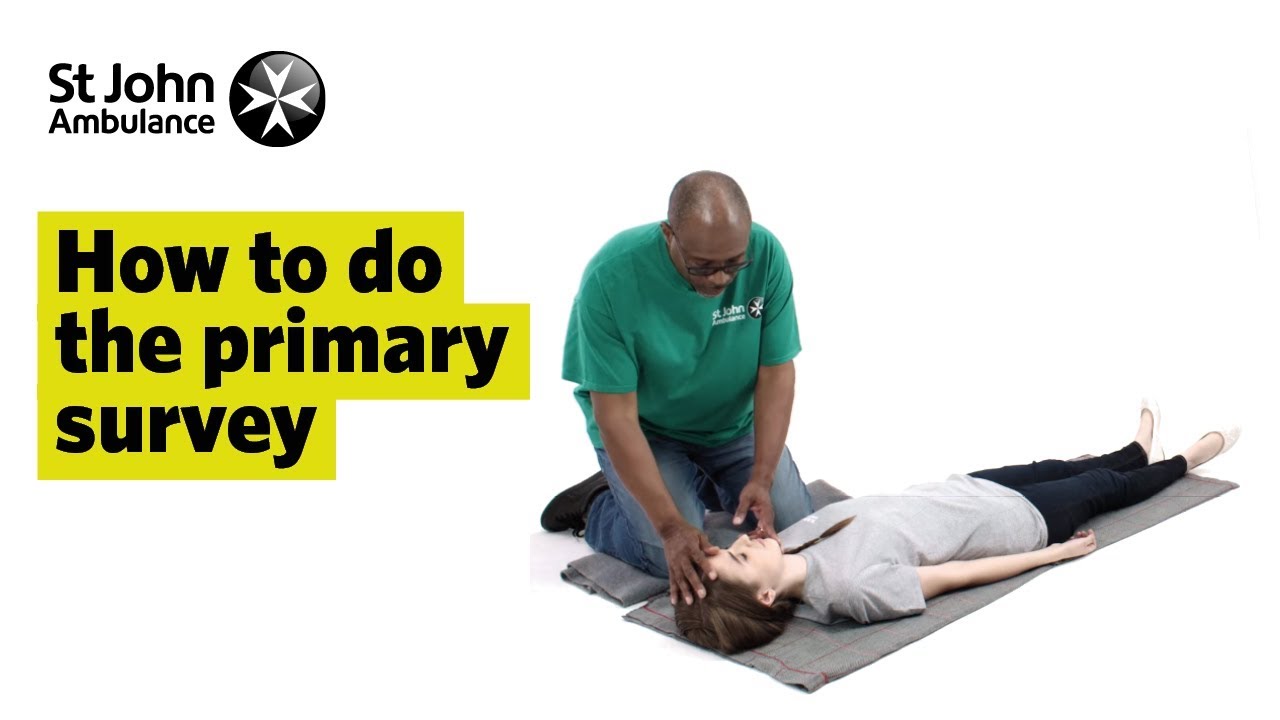
You are not expected to keep in mind every technological information completely. What issues is that you entrust a clear procedure in your go to one of the most vital scenarios. For instance: examine safety, check action, shout for assistance, open airway, check breathing, start CPR, send for AED. Repeating during the course wires that sequence in.
Trust the procedure, ask inquiries, and focus on doing instead of trying to write down every word.
Bringing It Back To Why You Are There
Behind every enrolment type for a fast first aid or express CPR course, there is usually a story.
Sometimes it is functional. You need first aid and CPR for a coaching duty, or your employer demands first aid and cpr training classes for health and safety compliance. Occasionally it is deeply individual. A parent register for an express childcare first aid course after their youngster had a frightening febrile seizure. A coworker joins a fast cpr course because a previous incident left them feeling helpless.
Whatever your factor, a fast first aid course is one of the most reliable uses a solitary day you can pick. It transforms unclear worry into focused capacity. It offers you a clear, practiced feedback when somebody around you has the most awful five minutes of their life.
Pick your provider thoroughly. Prepare enough that your mind is complimentary to engage. Deal with the day as the start of a skill, not a one‑off hurdle. Your future self, and possibly somebody you have actually never fulfilled, may someday be really grateful you did.